Clapham Junction wedding flowers top local suppliers
Posted on 08/10/2026
Clapham Junction Wedding Flowers Top Local Suppliers: A Practical Guide to Choosing Beautiful Blooms
Planning wedding flowers around Clapham Junction can feel exciting and a bit intense at the same time. One minute you are picturing a bridal bouquet by the morning light, the next you are trying to work out delivery timings, colour palettes, and whether your florist can cope with a busy London schedule. That is exactly where Clapham Junction wedding flowers top local suppliers come in: they help turn all those moving parts into something calm, coordinated, and genuinely beautiful.
This guide is for couples who want more than a pretty bouquet. You will find practical advice on how to compare suppliers, what to ask, which flower choices work well for different venues and seasons, and how to avoid common mistakes that can quietly drive up stress. If you are looking for trustworthy local floristry with wedding-ready service, this should give you a solid starting point. Truth be told, good wedding flowers are less about luck and more about good planning.
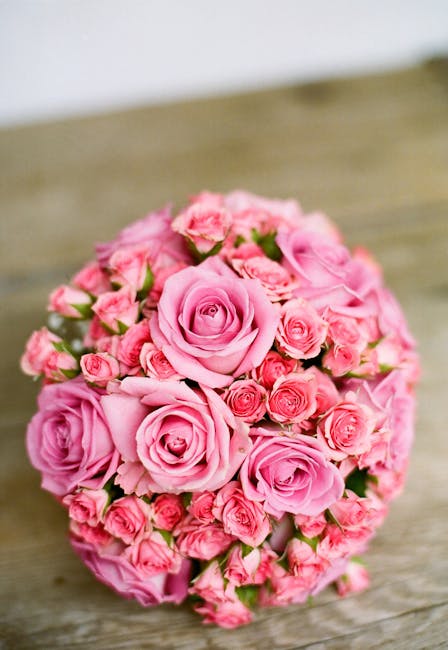
Table of Contents
- Why Clapham Junction wedding flowers top local suppliers Matters
- How Clapham Junction wedding flowers top local suppliers Works
- Key Benefits and Practical Advantages
- Who This Is For and When It Makes Sense
- Step-by-Step Guidance
- Expert Tips for Better Results
- Common Mistakes to Avoid
- Tools, Resources and Recommendations
- Law, Compliance, Standards, or Best Practice
- Options, Methods, or Comparison Table
- Case Study or Real-World Example
- Practical Checklist
- Conclusion
- Frequently Asked Questions
Why Clapham Junction wedding flowers top local suppliers Matters
Wedding flowers are not just decoration. They shape the atmosphere of the day, influence your photos, and often tie together outfits, stationery, tables, and the venue itself. Around Clapham Junction, where weddings can range from intimate local celebrations to larger London events with tight timing, choosing the right florist matters even more.
The "top local suppliers" part is important because local experience usually means better judgement. A florist who regularly works in and around SW4 is more likely to understand delivery windows, access restrictions, parking headaches, and the kind of floral styling that suits nearby venues. That local familiarity can save time and reduce those annoying last-minute surprises that nobody wants on a wedding morning.
There is also a trust element. When you are investing in wedding flowers, you want someone who can translate your ideas into something workable. Not just "pretty," but sensible, reliable, and on budget. A strong local supplier will know when to suggest roses for structure, when to soften a look with lisianthus, and when a statement bouquet might overwhelm a small ceremony space. It is a subtle thing, but it makes a big difference.
In practical terms, Clapham Junction wedding flowers top local suppliers matter because they help you:
- match flowers to your venue, season, and style
- avoid over-ordering or under-ordering arrangements
- coordinate delivery and setup with less stress
- get fresher flowers that have travelled less
- work with a florist who knows local expectations and London timings
And if you are balancing family opinions, venue rules, and a budget that does not stretch forever, local expertise can feel like a small miracle. Or at least a very useful one.
How Clapham Junction wedding flowers top local suppliers Works
At its simplest, the process starts with a conversation. You share your wedding date, venue, colour palette, and the overall mood you want. The florist then turns that into a plan that covers bouquet styles, buttonholes, bridesmaid flowers, table pieces, ceremony arrangements, and any installation work you need.
With Clapham Junction wedding flowers top local suppliers, that process usually works best when it is collaborative. You do not need to know every flower by name. Most couples do not, and that is fine. A good florist can work from reference photos, fabric swatches, mood boards, and a few clear preferences such as "soft and romantic," "modern and minimal," or "rich autumn colours."
Here is the basic flow you can expect:
- Initial enquiry: You explain the event, guest count, venue, and style.
- Brief and budget discussion: The florist helps shape something realistic for your spend.
- Flower and colour suggestions: Seasonal and practical recommendations are made.
- Quotation or proposal: The supplier outlines what is included and what is optional.
- Refinement: You adjust details like bouquet size, table pieces, or ceremony flowers.
- Final planning: Delivery times, setup needs, and contact details are confirmed.
That sounds straightforward, and usually it is. But the quality of the result depends on the details being clear early on. For example, if your bouquet needs to hold up for a full day of photos, travel, and an evening reception, the florist may choose sturdier blooms and mechanics that last. If your ceremony is in a compact indoor space, they may recommend smaller, more refined arrangements rather than large floral arches that crowd the room.
To be fair, the best florists are part artist, part logistics manager. The artistry gets the attention. The logistics keep the day on track.
Key Benefits and Practical Advantages
There are several good reasons to prioritise strong local suppliers when booking wedding flowers in Clapham Junction. Some are obvious, others less so.
- Better local timing: Deliveries can be planned more accurately around traffic, venue access, and setup windows.
- More relevant advice: Local suppliers understand what works in nearby spaces and with typical London venue constraints.
- Freshness and condition: Less travel can mean blooms arrive looking fresher and less stressed.
- Flexible coordination: If there is an issue, a local florist is often better placed to respond quickly.
- Design consistency: Your bouquet, buttonholes, table flowers, and ceremony displays can all be aligned properly.
There is also a quieter benefit that couples often notice only later: confidence. Once the florist understands your vision and has mapped out the practical bits, the whole thing stops feeling like a moving target. That matters. Wedding planning has enough moving parts already, frankly.
Expert summary: The best wedding flower supplier is not necessarily the one with the most dramatic Instagram feed. It is the one that consistently balances design, timing, communication, and venue suitability without making the couple do all the heavy lifting.
Another practical advantage is seasonal thinking. A good local florist will help you choose blooms that are both beautiful and sensible for the date. That means less risk of fragile flowers wilting too soon, and better value for money because the flowers are more likely to be in season and easier to source.
Who This Is For and When It Makes Sense
This approach suits couples at all sorts of planning stages. If you are early in the process, it helps you understand what to budget and what style direction makes sense. If you are already venue-booked and now trying to pin down decor, it gives you a framework for choosing flowers that work with the space rather than fighting it.
Clapham Junction wedding flowers top local suppliers make particular sense if you are:
- getting married in SW4 or nearby South West London
- planning a ceremony and reception on the same day in different locations
- wanting a florist who can handle delivery and on-the-day coordination
- working to a specific colour palette or style theme
- seeking a local business with real knowledge of the area
It also makes sense if you are comparing styles. For example, maybe you love a classic white bridal bouquet but want brighter bridesmaid flowers to keep the day cheerful. Or perhaps you want a modern table design with low arrangements that do not block conversation during dinner. These are the kinds of decisions a good supplier helps you shape, rather than just sell to you.
If you are the sort of person who likes to compare options carefully before deciding, you are in the right place. There is no virtue in rushing this bit. Quite the opposite. Flowers are one of those wedding details that look effortless only because somebody planned them properly.
Step-by-Step Guidance
Here is a sensible way to move from "we need wedding flowers" to "that looks exactly right."
1. Start with the venue and date
The venue affects almost everything: scale, delivery access, allowed setup time, and the general style that feels right. A small intimate space will usually need a very different floral approach from a larger hall or marquee-style event.
2. Decide what matters most
Not every floral element needs equal spend. Some couples care most about the bridal bouquet and ceremony backdrop. Others prioritise tables because guests spend more time there. Decide what matters most before the first conversation. It keeps the conversation focused.
3. Gather visual references
Save a few images that show the look you want, but avoid sending twenty different styles that all pull in different directions. A handful of consistent references is more useful than a giant mood board that says "sort of all of these." We have all seen that one.
4. Ask about seasonal availability
Your florist should be able to explain which blooms are naturally available around your wedding month and where substitutes might be needed. This is especially helpful if you want a very specific flower that may be difficult to source at a certain time of year.
5. Confirm the practical details
Ask about delivery, setup, collection, vase hire, ribbon colours, and whether buttonholes or corsages are pinned or magnetic. These small things matter on the day. They really do.
6. Review the quote carefully
Make sure the quotation clearly states what is included, how many items are being supplied, whether installation is part of the fee, and what happens if you change numbers later.
7. Finalise one or two weeks before
Closer to the wedding, confirm guest counts, any venue changes, and final delivery times. A simple sign-off at this stage prevents avoidable confusion.
If your florist is experienced, they will make this feel calm. That is the goal. Calm, clear, no drama.
Expert Tips for Better Results
In our experience, the couples who get the best results are not always the ones with the biggest budget. They are the ones who make clear choices early. A few focused decisions go a long way.
- Choose a colour story first: Once the palette is clear, flower selection gets easier.
- Use seasonality to your advantage: Seasonal flowers often look fresher and feel more natural in the setting.
- Keep one focal point per space: Too many competing floral features can make the room feel busy.
- Think about photographs: Flowers near the ceremony and top table often appear in more images than expected.
- Match bouquet scale to dress style: A very delicate dress can be overwhelmed by a huge bouquet, and vice versa.
One useful trick is to ask your florist what they would do if the budget were slightly tighter. That question often reveals where value really sits. Maybe the bouquet stays as planned, but the table centres become simpler. Or maybe some ceremony flowers can be repurposed for the reception. Smart, not stingy. There is a difference.
Another tip: think about movement. Flowers that sit still in a room are one thing; flowers being carried, pinned, handled, and photographed all day are another. A good wedding florist designs with movement in mind. That is one of those expert details people rarely mention, yet it changes the final result a lot.
Common Mistakes to Avoid
Wedding flowers are lovely, but they can go sideways if the brief is vague or the timing is rushed. Here are the most common problems couples run into.
- Waiting too long to book: Popular suppliers fill wedding dates early, especially in peak season.
- Focusing only on price: Cheapest is not always best when service, reliability, and quality matter.
- Giving mixed style directions: "Minimal, lush, boho, and dramatic" can be a tough combination.
- Ignoring venue rules: Some spaces have restrictions on candles, hanging installations, or fixings.
- Forgetting transport and setup: A bouquet is simple to imagine, but ceremony flowers may need more planning than expected.
- Not asking about substitutions: If a bloom is unavailable, you want to know what the florist will use instead.
There is also a subtle mistake people make: assuming all white flowers are identical. They are not. White roses, lisianthus, orchids, chrysanthemums, and hydrangeas all create very different textures and moods. The same goes for pinks, purples, and mixed colour palettes. Small differences add up. Your florist will see them immediately, but it helps if you notice them too.
And yes, sometimes couples leave the floral conversation until after every other detail is sorted. That tends to make the flowers feel rushed. The bouquet should not be the thing that gets whatever is left over. Not on your wedding day.
Tools, Resources and Recommendations
You do not need a complicated toolkit to plan wedding flowers well, but a few practical resources make the process much smoother.
- Phone photo folder: Keep all reference images in one place so you can share them easily.
- Venue details sheet: Include address, contact name, access times, and any loading instructions.
- Colour swatches: Fabric samples or dress photos help the florist understand your palette accurately.
- Guest and table plan: This affects how many arrangements you need and where they go.
- Budget split: A rough breakdown across bouquet, ceremony, reception, and extras keeps decisions grounded.
On the product side, a florist who offers wedding-specific items such as bridal bouquets, bridesmaid bouquets, buttonholes, corsages, and table arrangements can make the whole process easier. That is one reason services like wedding flowers in Clapham SW4 are worth considering if you want a dedicated local starting point rather than a generic order form.
If you are comparing bouquet styles, look at options with names that signal the overall mood, not just the flower mix. A collection such as Pure Romance Wedding Collection or True Happiness Wedding Collection can help you narrow down whether you are going for soft and traditional, bright and celebratory, or something more contemporary.
For couples who want to compare specific pieces, it helps to review the matching elements together rather than separately. For example, a bridal bouquet, bridesmaid bouquet, and buttonhole should feel related in tone and texture. That may sound obvious, but it is surprisingly easy to lose the thread when browsing items one by one.
Useful product pages to review include bridal bouquets, bridesmaid bouquets, and groom buttonholes. If table styling matters to you, wedding table arrangements can be a useful reference point too.
If you need reassurance about the business side, the site's guarantees, delivery information, and returns and refund policy are sensible pages to review before you confirm anything. That kind of housekeeping is not glamorous, but it matters.
Law, Compliance, Standards, or Best Practice
Wedding floristry is not usually a heavily regulated service in the way some trades are, but there are still important best practices to consider. For couples, the main concerns are clarity, consumer fairness, delivery reliability, and the safe handling of fresh flowers and any accessories used in arrangements.
In practical terms, a reputable florist should be clear about:
- what is included in the price
- what happens if a flower variety becomes unavailable
- delivery timing and any access limitations
- payment terms and cancellation conditions
- how issues are handled if something is not right
It is also sensible to look for clear website information around privacy, terms, and payment handling. Pages such as terms and conditions, privacy policy, and payment help set expectations before you commit. That transparency is a good sign.
From a best-practice point of view, couples should keep written records of agreed items, delivery dates, and any special requests. A short email summary can prevent misunderstandings later. This is one of those boring-but-brilliant habits. Not thrilling, but very useful.
For the florist, seasonal supply, freshness, transport conditions, and careful product substitution are all part of professional service. If you are ordering wedding flowers in summer, for example, a supplier should think about hydration, transport, and how long arrangements will sit before the ceremony starts. These details are not decorative. They are operational.
Options, Methods, or Comparison Table
If you are deciding how to approach your wedding flowers, it helps to compare the common options side by side. There is no single right answer. It depends on budget, venue, and how hands-on you want to be.
| Option | Best for | Pros | Trade-offs |
|---|---|---|---|
| Bridal bouquet only | Very small ceremonies or elopements | Simple, focused, budget-friendly | Limited impact on venue styling |
| Bouquet + buttonholes | Classic intimate weddings | Easy coordination, neat finish | Reception may feel less decorated |
| Full wedding set | Couples wanting a cohesive look | Strong visual consistency, polished photos | More planning and higher spend |
| Statement ceremony flowers | Image-led or formal weddings | Big visual impact, memorable backdrop | Needs more setup, sometimes more space |
| Repurposed ceremony flowers | Budget-conscious couples | Better value, less waste | Requires careful timing and coordination |
A lot of couples in Clapham Junction end up choosing a middle path: a beautiful bouquet, bridesmaid flowers, buttonholes, and a few well-placed table arrangements. That often gives the best balance between impact and practicality. You get the photos, the atmosphere, and the sense of occasion without turning the whole thing into a logistics puzzle.
If you want something more curated, a ready-made wedding collection can simplify decisions. If you prefer full control, a bespoke consultation may be better. Neither is wrong. It just depends on how you like to plan.
Case Study or Real-World Example
Imagine a couple planning a late spring wedding near Clapham Junction. They want soft pink and white flowers, a relaxed but elegant feel, and a bouquet that looks good both in hand and in photographs. The venue has a tight delivery window and a fairly compact ceremony room, so big installations are not ideal.
Instead of trying to cover every surface with flowers, the couple and florist focus on the moments that matter most: the bridal bouquet, two bridesmaid bouquets, groom buttonholes, and low table arrangements that work during dinner. The florist suggests mixing roses with lighter textured blooms so the arrangements feel full without looking heavy. A few pieces are designed so they can move from ceremony to reception with minimal fuss.
The result is simple, but not plain. Guests notice the floral tone right away. Photos feel soft and cohesive. And nobody is scrambling around with oversized arrangements blocking the aisle. That is the kind of wedding flower planning that quietly works.
A different couple might choose a brighter seasonal palette in summer, maybe with more mixed colours and a slightly freer, garden-style look. The principle is the same: let the venue, schedule, and floral budget shape the plan, instead of forcing a dramatic design that does not quite fit. Flowers should help the day breathe a bit, not fight it.
Practical Checklist
Use this checklist before you confirm your florist and final flower plan.
- Have you confirmed your wedding date and venue details?
- Do you know your approximate flower budget?
- Have you chosen a colour palette or style direction?
- Have you gathered a few reference images?
- Do you know which items you need: bouquet, bridesmaid bouquets, buttonholes, corsages, table flowers, ceremony flowers?
- Have you asked about seasonal availability?
- Have you confirmed delivery, setup, and collection times?
- Do you understand what happens if a flower is unavailable?
- Have you checked the florist's policies and payment terms?
- Have you thought about repurposing flowers from ceremony to reception?
Quick reality check: if any of these boxes are still blank, that is fine. Better to notice now than three days before the wedding with everyone suddenly "double-checking everything."
Conclusion
Choosing Clapham Junction wedding flowers top local suppliers is really about choosing calm, confidence, and a look that feels like you. The best local florist will not just sell arrangements. They will help you make sensible decisions, avoid unnecessary stress, and create flowers that suit the day rather than competing with it.
Start with the venue, the season, and the feeling you want guests to have when they walk in. Then work with a supplier who listens properly, explains clearly, and understands the practical realities of a London wedding. That combination is hard to beat. And once it is done well, the flowers just seem to belong there, as if they were always meant to be part of the day.
Get a free quote today and see how much you can save.
Beautiful wedding flowers do more than decorate a room. They help hold the memory of the day together, one petal at a time.
Frequently Asked Questions
How far in advance should I book wedding flowers in Clapham Junction?
As early as you can, especially if your wedding falls in a busy season. Popular local suppliers often book dates well ahead, and early booking gives you more choice on style, flowers, and delivery timing.
What flowers work best for a Clapham Junction wedding?
That depends on the season, your colour palette, and the venue. Roses, lisianthus, orchids, hydrangeas, alstroemeria, and mixed seasonal blooms are all common choices because they adapt well to different styles.
Can a local florist help with both bouquets and venue flowers?
Yes. Many wedding florists handle the whole set-up, from bridal and bridesmaid bouquets to buttonholes, table arrangements, and ceremony displays. It is usually easier to keep everything with one supplier.
How do I choose between bespoke and ready-made wedding flower collections?
If you want something tailored to your exact venue and palette, bespoke is often best. If you want a simpler decision process with a coordinated look, a ready-made wedding collection can work very well.
What should I ask a wedding florist before booking?
Ask about availability, seasonal flowers, delivery times, setup support, substitutions, payment terms, and what is included in the quote. Those are the questions that save time later.
Are local Clapham Junction suppliers better than ordering from further away?
Often, yes, because local suppliers may understand access routes, traffic, and venue logistics better. That does not automatically mean they are the right fit, but it is a real advantage.
Can wedding flowers be repurposed from ceremony to reception?
Absolutely, and it is a smart way to stretch value. Ceremony arrangements can often be moved to top tables, gift tables, or entrance areas if your florist plans for that from the start.
What if a specific flower I want is out of season?
A good florist will suggest suitable alternatives that keep the same mood and colour balance. Sometimes the substitute looks even better in the final arrangement, to be fair.
How much should I budget for wedding flowers?
Budgets vary widely depending on the number of arrangements, flower types, and level of installation required. It is best to discuss your figure honestly with the florist so they can shape the design around it.
Do I need matching flowers for bridesmaids and buttonholes?
They do not have to match exactly, but they should feel connected. Shared colours, textures, or flower families usually create a more polished result than trying to make everything identical.
What happens if my venue has strict setup times?
Tell the florist as early as possible. A local supplier can usually plan around restricted access, but they need the information upfront so delivery and installation can be organised properly.
How do I make sure the flowers suit my wedding photos?
Choose arrangements that match the size of the venue and the tone of your outfits. Your florist can also advise on bouquet scale, contrast, and how the flowers will read in natural light and photographs.